What does THC percentage mean?
THC percentage is the share of the product, by weight, that is THC. Flower on our menu mostly tests between 24 and 33 percent, and concentrates mostly between 60 and 80 percent.
What does the THC percentage mean?
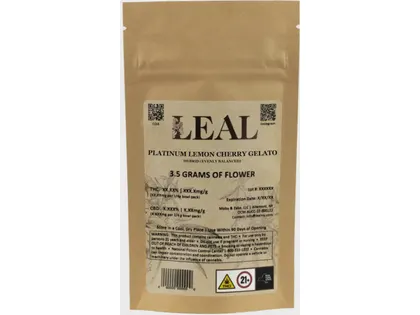
It is the share of the product, by weight, that is THC. A flower that tests at 28 percent is 28 percent THC by weight, and the rest is plant material and other compounds. A lab measures it, and the number goes on the package.
It tells you how concentrated the THC is, which is not the same as how it will feel. That is the part most people get wrong, and it is covered below.
What is total THC?
Raw flower holds most of its THC in an acid form called THCA, which turns into THC when it is heated. Smoking, vaporizing and cooking all do that. The label does the math for you. Total THC is THC plus THCA multiplied by 0.877, the state’s formula, which accounts for the weight lost when THCA converts. When you see one number, that is usually the one to read.
A flower with a lot of THCA and almost no THC on the lab sheet is not weak. It is raw. Most of what you will smoke is in the THCA column, and total THC adds it back in.
How strong is a typical product?
On our menu, flower mostly tests between 24 and 33 percent, and concentrates mostly test between 60 and 80 percent. Those ranges move with each batch, so use the lab result on the product page for the batch in front of you.
Pre-rolls are rolled from flower, so the same reading applies. A concentrate is far stronger by weight, which is why it is sold by the gram and why a very small amount goes a long way. Our guide to distillate, live resin and live rosin explains why.
You can browse by what you want to compare. The flower shelf lists the THC on each product page, and so do pre-rolls and concentrates.

Is a higher number better?
Higher is stronger, and that is all it is. A 33 percent flower is not a better experience than a 24 percent one for everyone. For someone with a low tolerance, the 24 may be the right call. For someone who smokes every day, a 24 may feel flat.
The number also only goes so far. Your tolerance, what you ate, how rested you are and the strain itself all change what you feel from the same percentage.
What else decides how a product feels?
Terpenes, mostly. They are the compounds that give a flower its smell and flavor, and many people find that the strains they like share the same leading ones. The percentage says nothing about them. Two flowers at the same THC can smell and feel very different, which is why our guide on terpenes is worth a read before you pick by number.
The other cannabinoids matter too. Some products carry CBD, CBG or CBN alongside the THC, and those are listed on the product page.
What about edibles?
Edibles are labeled in milligrams, not percent, because the question is how much THC is in each piece. New York caps a serving at 10 mg. Our guide on how much edible a beginner should take goes into that.
What should I do with the number?
Use it to compare products against each other and against what you have liked before. If a 25 percent flower worked for you, do not assume 32 is better. Try the next one and see.
Keep in mind that it changes from batch to batch, so ask the team what the current batch tested at. The lab results are on each product page. When you are ready, the flower shelf is open for pickup or delivery.